
Ramon Molinas Foundation
Deep-tech spin-offPLASTIKÓRE
PLASTIKÓRE
Zero microplastics
The new Directive (EU) 2024/3019
changes the rules of the game
SpinUOC 2026 · News
Plastikóre, doubly awarded at SpinUOC 2026
June 18, 2026UOC Auditorium · Barcelona
Audience vote
Best Presentation Award
Newsroom
Latest news
85–95%
microfibre removal
0
chemical reagents
TRL 3–4
CURRENT STAGE · TARGET TRL 5-6
Problem
Every wash releases thousands of
microfibres into the river
Urban and industrial wastewater carries a growing spectrum of microplastics that conventional treatments fail to remove — and most end up in the sea.
Textile microfibres
Every domestic and industrial wash releases thousands of synthetic fibres that pass through conventional WWTPs and reach aquatic ecosystems.
Incomplete treatments
Primary, secondary and tertiary processes are designed for solids, organic matter and nutrients — not for micrometric particles.
Cumulative ecological impact
Microplastics persist for decades in ecosystems, enter the food chain and combine with emerging pollutants (pharmaceuticals, cosmetics, additives).
Regulatory opportunity
The new Directive (EU) 2024/3019
changes the rules of the game
The new Directive (EU) 2024/3019 on urban wastewater treatment requires WWTPs to incorporate a quaternary treatment capable of removing at least 80% of a broad spectrum of micropollutants — including microplastics, pharmaceutical and cosmetic residues. Plastikóre fits natively into this new regulatory era.
Quaternary rollout · >150,000 p.e.
- 203320% of WWTPs with quaternary treatment
- 203960% of WWTPs with quaternary treatment
- 2045100% of WWTPs with quaternary treatment
Source: EUR-Lex · Directive (EU) 2024/3019 · European Council · Urban Wastewater
Solution
A physical, circular, reagent-free process
Three components working together to capture, separate and recover microfibres with minimal operating cost.
01
Capture
Microscopic magnets bind to plastic particles with precision.
02
Filtration
A coarse-sand reactor traps the fibres.
03
Recovery
A magnetic system extracts the microplastics without chemicals.
Modular
Yes, scalable container for existing lines
Physical
No reagents, no toxic waste
Circular
Reusable FePs, valorisable sediment
Measurable
Quantified environmental impact
Product architecture
Two modules, one license.
Three markets, one technology.
PRIME
For urban WWTPs
- Quaternary treatment module for municipal wastewater plants.
- Retrofittable to existing lines to comply with Directive (EU) 2024/3019.
- Flow-scalable design.
- Continuous operation with remote monitoring.
- Automated compliance reports.
NUCLEO
For the textile industry
- Compact module for effluents with high microfibre load.
- On-site installation, before discharge or reuse.
- Adapted to variable industrial effluents.
- ROI linked to discharge fees and compliance.
- Reusable treated water where feasible.
ESSENTIAL
License for engineering firms
- Know-how transfer and training.
- Technical support and certification.
Markets
Three segments with one shared technology
01Urban sanitation
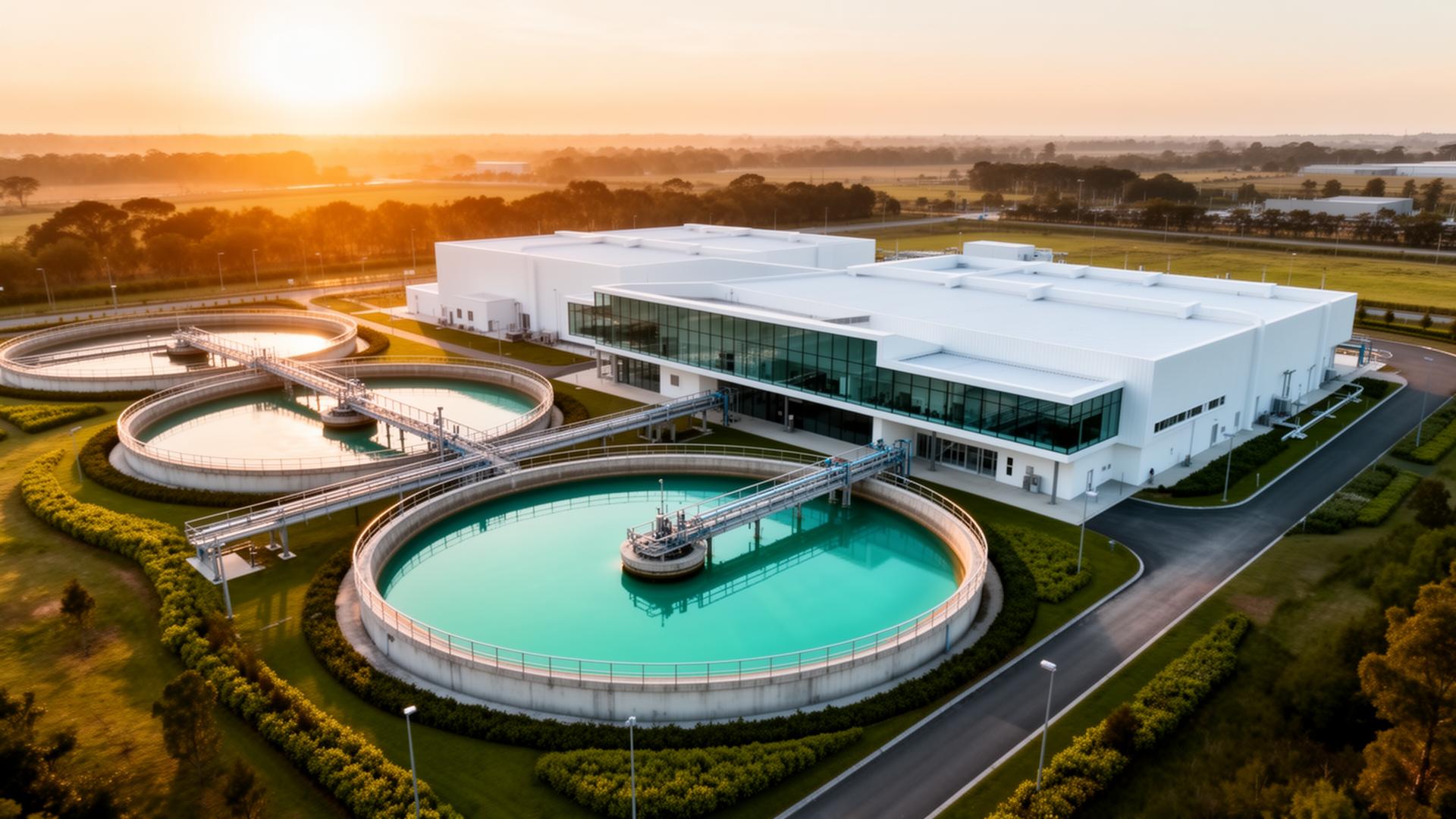
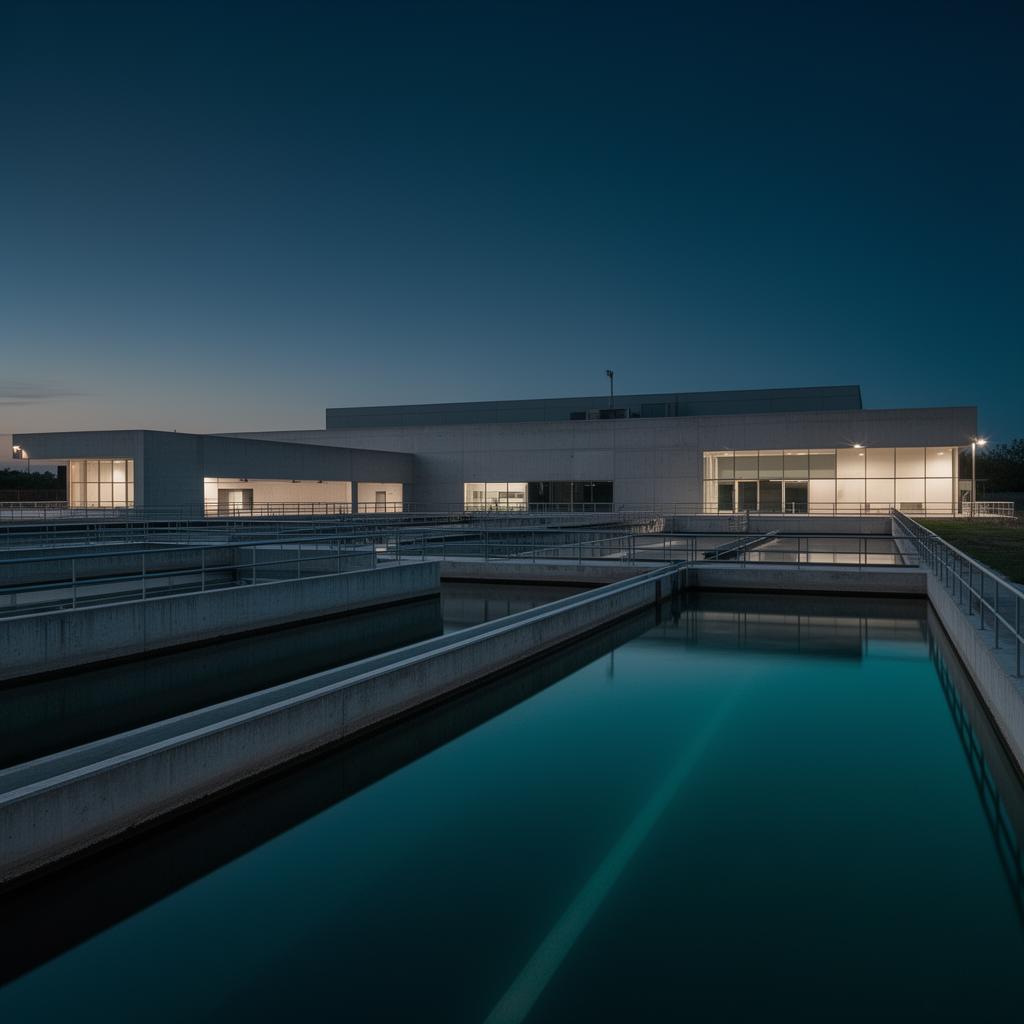
Urban WWTP operators
We ensure that the water returned to the river is free of microfibres and microplastics, protecting ecosystems in line with new European requirements.
- ✓Compliance with Directive (EU) 2024/3019.
- ✓High-efficiency filtration for large flow rates.
02Industrial circularity
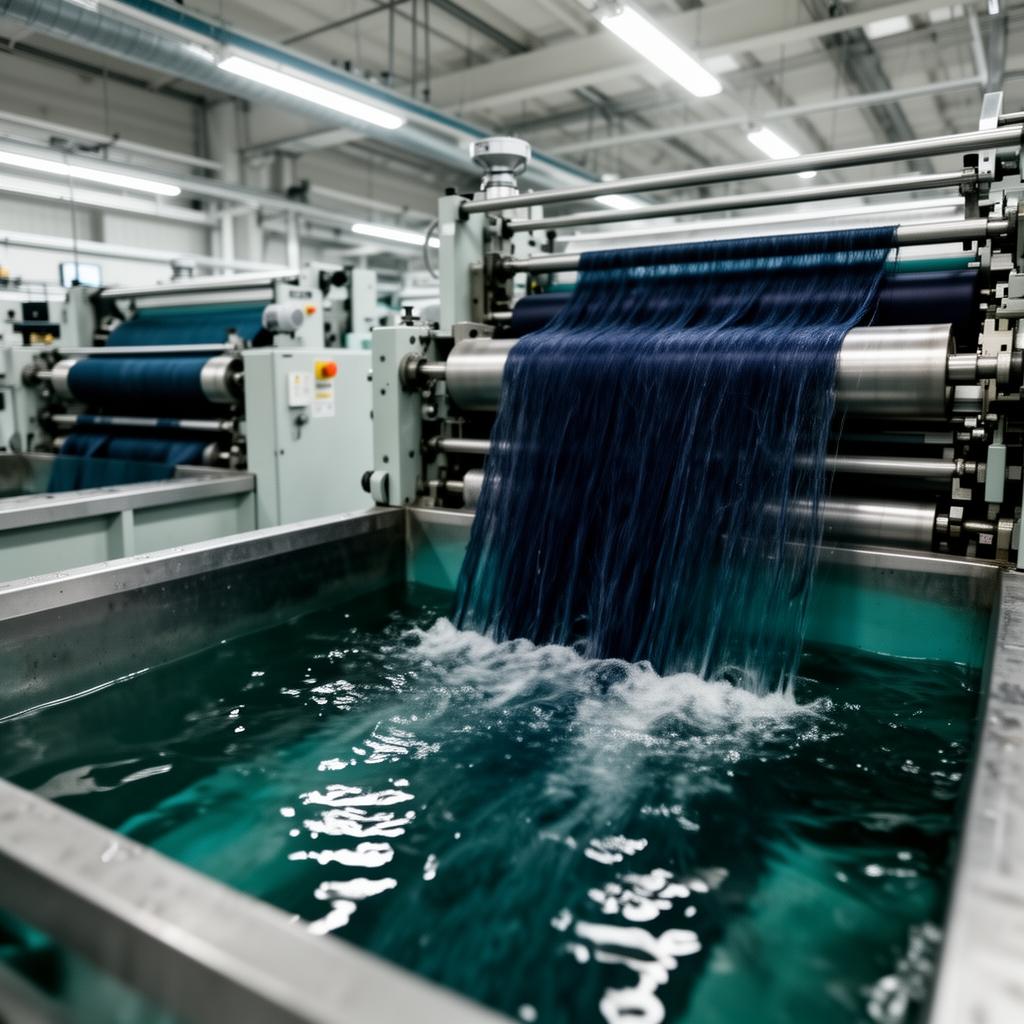
Textile industry
Tailored solutions for dyeing and finishing plants, capturing synthetic microfibres at source before they enter the public sewer network.
- ✓Microfibre capture from contaminated effluents.
- ✓Savings on industrial discharge fees.

03Technical partnership
Engineering & consultancy firms
Integration of our modular reactors into turnkey water engineering projects, providing state-of-the-art technology for solids removal.
- ✓Integrable modules under ESSENTIAL license.
- ✓Support in reactor calculation and sizing.
Milestones
From the lab to the reference WWTP
- DoneTRL 3 — Proof of concept
Key capture-efficiency parameters validated.
- CurrentTRL 4 — Component validation in a lab environment
Partner company responsible for reactor design, development and protocols.
- NextTRL 5–6 — Pilot at WWTP and textile industry
Full-scale continuous operation. ROI validation vs. alternatives. Strategic partnerships with engineering firms.
- UpcomingTRL 7 — Pre-commercial demonstration
Deployment at a reference WWTP with full regulatory monitoring.
Team
Research, engineering and market
Dr. Teresa Serra
Scientific Director & Co-founder
Researcher at the Dept. of Physics (UdG) and ICRA.
Dr. Jordi Colomer
Scientific Director & Co-founder
Researcher at the Dept. of Physics (UdG) and ICRA.
Dr. Joan Josep Suñol
Scientific Director & Co-founder
Researcher at the Dept. of Physics (UdG).
Dr. Lluïsa Escoda
Scientific Director & Co-founder
Researcher at the Dept. of Physics (UdG).


Impact
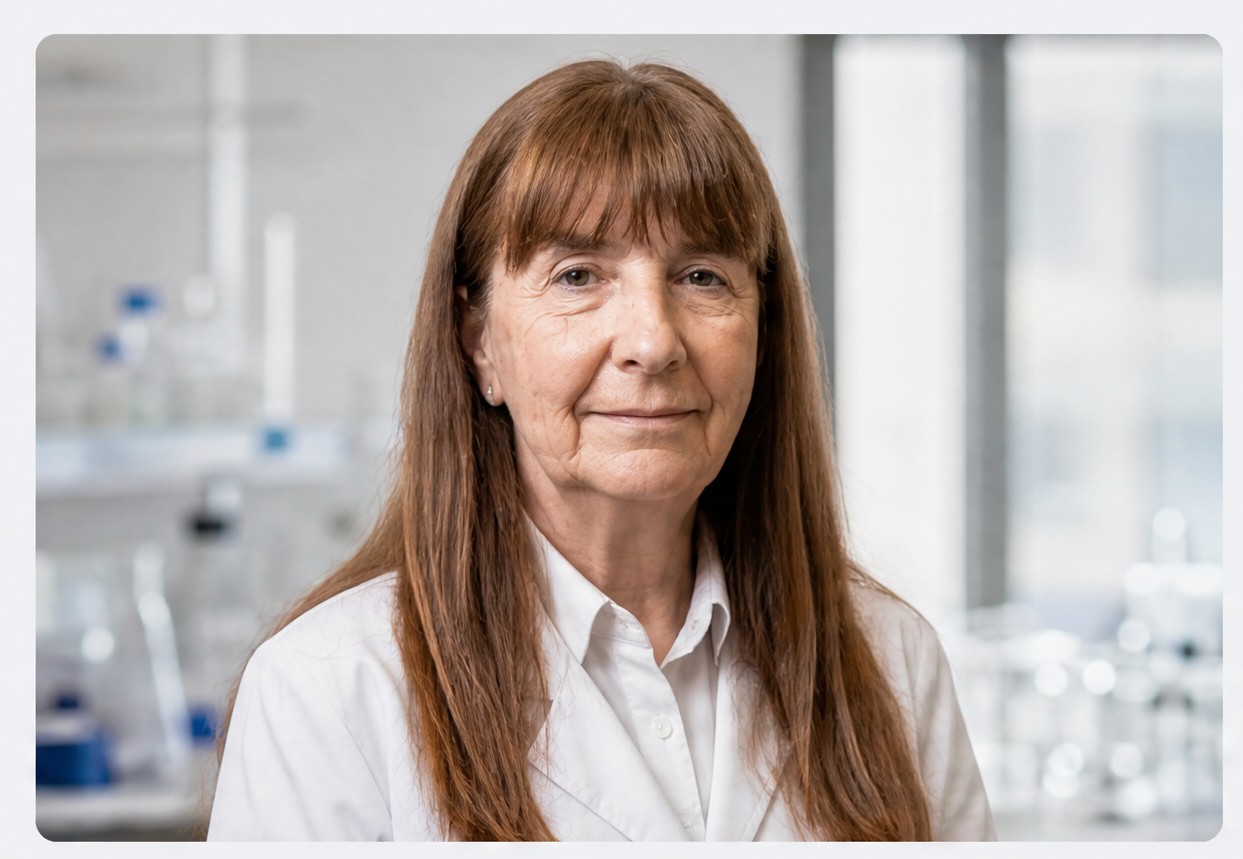
"Every Plastikóre module we install is a stretch of river that recovers its health."
Environmental
Fewer micropollutants released into rivers and seas, and less pressure on biodiversity.
Social
Cleaner public water and regulatory compliance without passing the cost onto the bill.
Economic
Reduced regulatory risk and stronger partnerships. Sediment valorised as a resource.
Scientific
Transferable technology · UdG / ICRA brand with measurable environmental impact.
Next step
Interested in learning more about Plastikóre?
Innovate in efficiency and sustainability. Get in touch with us.
In partnership with
